

October 5, 2026
How construction loans work in Australia: progress payment stages, interest-only during the build, what lenders need, and tips for knockdown rebuilds.
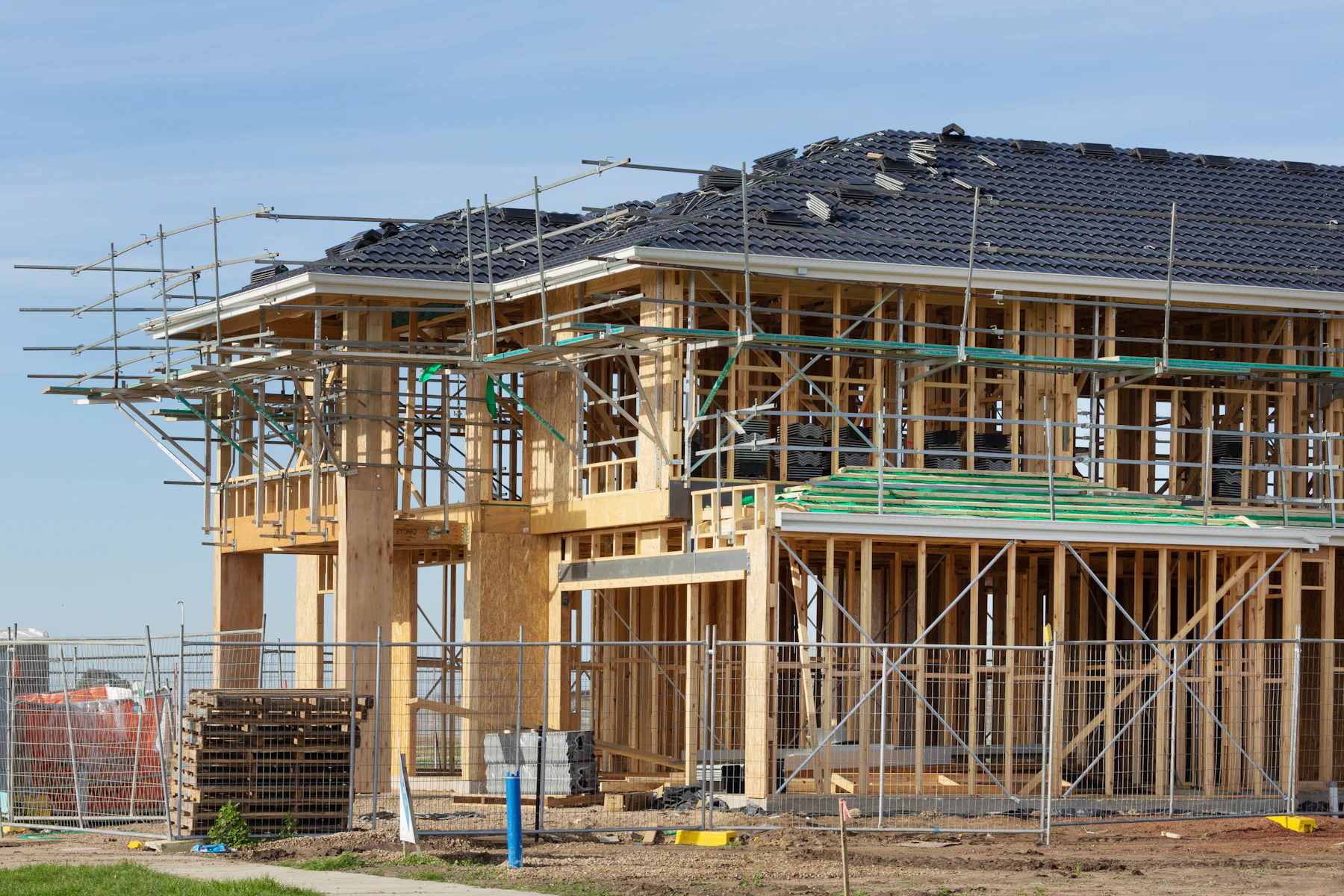
Building a new home or doing a knockdown rebuild needs a different type of loan. Instead of paying the full amount at settlement, a construction loan releases money in stages as the build progresses. Here is how it works and how to avoid the most common problems.
A construction loan funds the cost of building a home. The lender pays your builder in instalments, called progress payments or drawdowns, at set stages of the build. You only pay interest on the amount drawn so far, which keeps repayments lower while you may also be paying rent.
Most residential building contracts in Australia follow similar stages. The percentages vary by contract, but a common pattern is:
At each stage your builder sends an invoice, you approve it, and the lender usually sends a valuer to confirm the work is done before releasing the money.
Most construction loans are interest-only during the build, which typically has a maximum period of 12 to 24 months. Interest is charged only on what has been drawn, so repayments start small and rise with each stage. Once the build is finished, the loan usually converts to a standard principal and interest home loan.
The lender values the finished home based on the plans. That "on completion" value, plus the land, determines how much you can borrow.
If you are buying land first, the land settles as one loan and the construction loan follows. With a house-and-land package, you may have two contracts but one lender handling both. Timing matters: land in a new estate can take months or years to register, so pre-approval may need renewing.
If you already own the land, its equity can often cover the deposit for the build. Plan for demolition, temporary accommodation and the time the property is not producing rent or housing you. Some lenders are more comfortable with knockdown rebuilds than others.
Building new can unlock extra support. Many state first home owner grants only apply to new homes, and the federal Help to Buy scheme can contribute more for new builds. See our first home buyer guide.
Estimate repayments with our construction calculator on the construction loans page, or book a free call and we will match you with a lender that understands building.
This article is general information only and does not take into account your objectives, financial situation or needs. Government schemes, tax rules and lender policies change, so check current details before acting. Propple Pty Ltd is an Australian Credit Representative (537767) of AFSL 384704.


